








Building on CHI-S model development in the Netherlands and Wellcome-supported stakeholder engagement in Uganda, we aim to establish Controlled Human Infection Studies for Schistosoma mansoni (CHI-S) in Uganda to accelerate schistosomiasis vaccine development for endemic settings.
- Adapt the CHI‑S model for Ugandan communities with both low and high prior schistosome exposure.
- Evaluate the preliminary efficacy of SchistoShield through controlled challenge studies in the Netherlands and Uganda.
- Compare immune and clinical responses to CHI‑S and SchistoShield across the two settings.
- Investigate participant and community perspectives on controlled human infection studies in the Ugandan context.
- Establish sustainable CHI‑S capacity to support long‑term vaccine research and implementation in Uganda.
Established within the Vaccines Research Theme of the MRC/UVRI and LSHTM Uganda Research Unit, the Controlled Human Infection Study for Schistosoma mansoni (CHI-S) represents a pioneering effort to accelerate vaccine development for schistosomiasis, a neglected tropical disease with profound public health impact across sub-Saharan Africa.
Building on foundational work from the Netherlands and extensive stakeholder engagement in Uganda, CHI-S is designed to safely and ethically introduce a controlled human infection model in an endemic population. This model allows researchers to study host-pathogen interactions in real time, offering a powerful platform to evaluate vaccine candidates and understand immune responses to schistosome infection.
Given that, schistosomiasis is known to cause chronic immune modulation, which may influence susceptibility to other infections and responses to immunization. CHI-S explores these dynamics by closely monitoring volunteers exposed to carefully calibrated doses of Schistosoma mansoni, under rigorous ethical oversight and clinical safety protocols. The study aims to generate high-resolution data on immune activation, regulation, and vaccine efficacy, insights that are difficult to obtain through observational studies alone.
Situated in Uganda’s Lake Victoria basin, where schistosomiasis remains endemic, and CHI-S benefits from a unique epidemiological context. Participants face environmental exposures uncommon in high-income settings, including co-infections with malaria, helminths, and other pathogens. This setting allows CHI-S to investigate how these exposures shape immune responses and vaccine performance in real-world conditions.
Beyond its immediate goals, CHI-S is becoming a cornerstone for translational immunology and vaccine science in Africa. With strong community engagement, robust ethical governance, and a commitment to capacity building, CHI‑S is redefining how vaccine research is conducted in endemic regions—providing critical insights that bridge basic science and public health impact.
Principal Investigator
Co-principal investigator(s)
Co-investigators
MRC/UVRI and LSHTM Uganda Research Unit
- Dr Moses Egesa
- Ms. Emmanuella Driciru
- Dr Stephen Cose
- Dr Richard Sanya
- Dr Andrew Abaasa
- Dr Agnes Ssali
- Dr Anne Wajja
Vector Control Division (VCD), Ministry of Health, Uganda
Leiden University Medical Centre (LUMC), The Netherlands
London School of Hygiene and Tropical Medicine (LSHTM)
CHI-S study Co-ordinator
- Dr Ronald Kiyemba
Statistician
- Prof Emily Webb
- Dr Andrew Abaasa
Data Manager
- Racheal Nakyesige
Data Programmers
- Phillip Oyat
- Charles Kirunda
Internal Monitor
- Mirriam Akello
Administration
- Moses Kizza
Communications and Engagement Officer
- Trust Debbie Lenia
Community Engagement
- Moses Sewankambo
Laboratory
- Jacent Nassuna
- Dorothy Kakai
- Gary Anguandia
- Obed Kamulegeya
- Gloria Oduru
Clinic Team
- Chris Zziwa
- Barbra Apule
- Caroline Ninsiima
- Nelson Twinamasiko
- Milly Namutebi
Community engagement
For successful understanding and implementation of Controlled human infection studies, many stakeholders ought to be involved from the local communities, ethicists, regulators to members of parliament. This will increase awareness, develop informed consent processes and inform how to adhere to trial procedures (such as avoiding natural infection among volunteers).
Infrastructural development
To maintain the life cycle of S. mansoni, the causative agent of intestinal schistosomiasis, an animal facility is needed and a snail lab is required to produce the challenge material – S. mansoni cercariae. This also involves technical training of local staff to maintain the animal facility and to produce the challenge material.
Safety and dose finding
CHI studies in their nature are invasive and like all trials, safety of volunteers is paramount. To ensure the safety of volunteers, the dose of the challenge materials is escalated with oversight of the DSMB. Based on the safety data from the Leiden University Medical Center Controlled Human Schistosomiasis Infection, CHI-S is safe among naïve volunteers. A risk assessment was performed to evaluate technical considerations for shipping the parasite strain, the intermediate host, ecological implications, natural infection of volunteers, and risks associated with the human challenge (symptoms).
Vaccine trial
Controlled human infection studies provide a means to test promising vaccine candidates such as the advanced preclinical candidate Smp80 that is has been extensively studied for more than a decade in non-human primates and tested in different formulations (adjuvants). In addition, CHI studies are relatively cheap and swift compared to Phase II trials.
Correlates of protection (immunological, metabolic and transcriptional)
Using controlled human infection studies, correlates of protection can be identified. These correlates are then used as surrogate endpoints for Phase II clinical trials.
Studentship
Developing capacity of researchers in endemic areas to carry out controlled human infection studies is a necessity. Doctoral studentships will address this.
This section outlines the foundational assets, expertise, and systems that have enabled the successful establishment of the Controlled Human Infection (CHI) model for Schistosoma mansoni in Uganda.
Scientific and Clinical Expertise
A multidisciplinary team of infectious disease clinicians, microbiologists, immunologists, pharmacologists, epidemiologists, and clinical trialists drives the CHI-Study. Their combined expertise ensures rigorous protocol design, including challenge models and dose-escalation while data specialists manage complex clinical and laboratory datasets. This scientific backbone guarantees that the study is methodologically sound and ethically robust.
Biosafety and Laboratory Infrastructure
High-containment BSL-2 laboratories at the MRC/UVRI & LSHTM Uganda Research Unit provide the certified biosafety environment required for safe handling of S. mansoni challenge agents. GMP-compliant processes ensure precise preparation, characterization, and storage of the pathogen, while advanced diagnostic and immunological testing capabilities support accurate infection confirmation and immune monitoring. These systems form the backbone of safety and scientific rigor for the CHI-S study.
Governance and Oversight Structures
The study is guided by robust governance mechanisms that ensure scientific integrity, ethical compliance, and participant safety. Internal monitors conduct routine checks to verify protocol adherence and data accuracy, while external monitors provide independent assessments of study conduct and regulatory compliance. Staff within research governance units coordinate ethics submissions, regulatory approvals, and stakeholder communications ensuring transparency, accountability, and alignment with national and international standards.
Clinical Infrastructures
The MRC/UVRI & LSHTM Uganda Clinical Research Facility (CRF) provides a purpose-built environment for the CHI-S study, equipped to safely isolate volunteers, administer challenge agents, and conduct intensive clinical monitoring. Its specialized infrastructure and trained staff uphold the highest standards of care and safety, ensuring ethical and scientifically sound implementation of controlled human infection studies.
Ethical and Regulatory Framework
Experienced Institutional Review Boards and Regulatory Ethics Committees provide oversight for the CHI-S study, ensuring ethical conduct and participant protection. The study engages actively with Uganda’s National Regulatory Authorities for approvals and compliance. Informed consent processes are thorough and transparent, and an independent Data and Safety Monitoring Board (DSMB) reviews safety data throughout the study, safeguarding volunteer welfare and upholding international ethical standards.
Safety, Security, and Quality Assurance
Infection control protocols at the CHI-S study site are designed to protect both staff and volunteers through rigorous procedures and continuous oversight. An established quality management system ensure adherence to safety standards, while incident response plans provide rapid containment and mitigation in case of accidental exposures reinforcing the study’s commitment to operational integrity and participant safety.
Data, IT, and Monitoring Systems
Electronic data capture systems used in the CHI-S study are fully compliant with Good Clinical Practice (GCP), enabling real-time tracking of adverse events and infection dynamics. These platforms are supported by robust data protection infrastructure aligned with GDPR standards, ensuring confidentiality, integrity, and secure handling of participant information throughout the study.
Controlled Human Infection Models (CHIM) – Regulatory & Global Perspectives
- Cavaleri M, Kaslow D, Boateng E, Chen WH, Chiu C, Choy RKM, Correa-Oliveira R, Durbin A, Egesa M, Gibani M, Kapulu M, Katindi M, Olotu A, Pongsuwan P, Simuyandi M, Speder B, Talaat KR, Weller C, Wills B, Baay M, Balasingam S, Olesen OF, Neels P. Fourth Controlled Human Infection Model (CHIM) meeting, CHIM regulatory issues, May 24, 2023. Biologicals. 2024.
- Kapulu M, Manda-Taylor L, Balasingam S, Means G, Ayiro Malungu M, Bejon P, Chi PC, Chiu C, Church EC, Correa-Oliveira R, Day N, Durbin A, Egesa M, Emerson C, Jambo K, Mathur R, Metzger W, Mumba N, Nazziwa W, Olotu A, Rodgers J, Sinyiza F, Talaat K, Kamerling I, Weller C, Baay M, Neels P. Fourth Controlled Human Infection Model (CHIM) meeting – CHIMs in endemic countries, May 22–23, 2023. Biologicals. 2024.
CHIM Development in Endemic Settings (Uganda & Africa)
- Abaasa A, Egesa M, Driciru E, Koopman JPR, Kiyemba R, Sanya RE, Nassuuna J, Ssali A, Kimbugwe G, Wajja A, van Dam GJ, Corstjens PLAM, Cose S, Seeley J, Kamuya D, Webb EL, Yazdanbakhshs M, Kaleebu P, Siddiqui AA, Kabatereine N, Tukahebwa E, Roestenberg M, Elliott AM. Establishing a Single-Sex Controlled Human Schistosoma mansoni Infection Model for Uganda. Immunotherapy Advances. 2023.
- Egesa M, Kiberu D, Sanya RE, Alabi A, Sonnet F, Koopman JPR, Baluku JB, Oguttu DW, Driciru E, Odongo M, Walusimbi B, Elliott AM, Nkurunungi G. Uganda Schistosomiasis Symposium 2023: understanding morbidity drivers and developing controlled human infection models for vaccine research. Trends in Parasitology. 2023.
- Koopman JP, Egesa M, Wajja A, Adriko M, Nassuuna J, Nkurunungi G, Driciru E, van Willigen G, Cose S, Yazdanbakhsh M, Kaleebu P, Kabatereine N, Tukahebwa E, Roestenberg M, Elliott AM. Risk assessment for the implementation of controlled human Schistosoma mansoni infection trials in Uganda. AAS Open Res. 2019.
- Elliott AM, Roestenberg M, Wajja A, Opio C, Angumya F, Adriko M, Egesa M, Gitome S, Mfutso-Bengo J, Bejon P, Kapulu M, Seager Z, Lutalo T, Nazziwa WB, Muwumuza A, Yazdanbakhsh M, Kaleebu P, Kabatereine N, Tukahebwa E. Ethical and scientific considerations on the establishment of a controlled human infection model for schistosomiasis in Uganda. AAS Open Res. 2018.
Ethics, Community Engagement & Practical Considerations
- Egesa M, Ssali A, Tumwesige E, Kizza M, Driciru E, Luboga F, Roestenberg M, Seeley J, Elliott AM. Ethical and practical considerations arising from community consultation on implementing controlled human infection studies using Schistosoma mansoni in Uganda. Global Bioethics. 2022.
Immunology & Vaccine Development
- Driciru E, Koopman JPR, Cose S, Siddiqui AA, Yazdanbakhsh M, Elliott AM, Roestenberg M. Immunological Considerations for Schistosoma Vaccine Development: Transitioning to Endemic Settings. Frontiers in Immunology. 2021.
Other CHIM Initiatives (Hookworm)
- Alabi A, Hussain M, Hoogerwerf MA, Mengome CN, Egesa M, Driciru E, Wammes LJ, Kruize YCM, Sartono E, Adegnika AA, Kremsner PG, Yazdanbakhsh M, Agnandji ST. Establishing a controlled hookworm human infection (CHHI) model for Africa: report from stakeholders meeting, Lambaréné, Gabon. Arch Public Health. 2021.
This section highlights the essential certifications and capacity-building efforts that ensure our team operates with the highest standards of ethics, safety, and scientific rigor.
All staff involved in the study are required to complete the following trainings: Good Clinical Practice (GCP)
Ensures ethical and scientifically sound conduct of clinical trials in line with international standards. Good Clinical Laboratory Practice (GCLP)
Guarantees the reliability and integrity of laboratory data supporting clinical research. Human Subjects Protection (HSP)
Reinforces ethical principles and safeguards for the rights and welfare of study participants. Data Protection and Confidentiality
Covers secure handling of personal and health data in compliance with national and international regulations. International Air Transportation Association(IATA) and Insectary Biosafety Certification
Equips staff with the knowledge to safely handle, package, and transport infectious agents and maintain biosafety in vector-related research environments.
Specialized trainings
These additional trainings reflect the team’s preparedness for complex human infection studies and regulated animal research:
- Media Training & Public Engagement Workshop Held in Nairobi, Kenya (5–7 June 2019), led by HIC-Vac and KEMRI|Wellcome Trust. Focused on effective communication and public engagement for human infection studies.
- Laboratory Animal Ethics & Care – Tunisia Workshop A 5-day training in March 2019 at ENMV, Tunisia, covering international best practices in laboratory rodent care and development of animal ethics committee guidelines in Africa.
- UK Home Office Licensee Training (PIL A, B, C) Completed by CHI-S staff in Newcastle and London (May 2019 and March 2020).
- PIL A: Legislation, Ethics, and Animal care principles
- PIL B: Anesthesia for minor procedures
- PIL C: Surgical and suturing techniques
In the halls of European research institutions, the Controlled Human Infection (CHI) Model has been tested, refined, and trusted. Scientists in places like the Netherlands have used it to simulate infections in volunteers, healthy individuals deliberately exposed to a pathogen under tightly controlled conditions. Findings from these studies have fast-tracked vaccine development, contributing to vaccines such as those for malaria, cholera, and typhoid that are in the market. However, what happens when a model designed in a non-endemic region is transferred to a setting where the disease is part of everyday life?
In Uganda, researchers at the Medical Research Council/Uganda Virus Research Institute and London School of Hygiene and Tropical Medicine (MRC/UVRI and LSHTM) Uganda Research Unit are taking on that challenge. The goal is ambitious yet clear, to adapt the CHI for Schistosoma mansoni, the parasitic worm responsible for schistosomiasis that affects millions across sub-Saharan Africa. Unlike in Europe, where volunteers have never encountered S. mansoni before, Ugandan participants may have been exposed to the parasite before and after birth. This distinction presents both a challenge and an opportunity: how do you study an infection in a population where partial immunity might already exist? In addition, could this context bring researchers closer to a viable vaccine?
A model in transition
The first CHI models for schistosomiasis have been successful at the Leiden University Medical Center (LUMC) in the Netherlands. The Dutch experience with CHI offered valuable proof of concept that researchers could safely and ethically infect volunteers, track immune responses, and prepare to test vaccine candidates. On the other hand, the conditions in Uganda are starkly different. Schistosomiasis in Uganda is a daily struggle for communities living near freshwater lakes and rivers. The stakes are higher, the ethical considerations more complex, and the urgency far greater.
Professor Alison Elliott, the Principal Investigator on the Ugandan Controlled Human Infection Study (CHI-S), explains…
"In the Netherlands, CHIM participants are given a precise dose of S. mansoni larvae under controlled laboratory conditions. In Uganda, however, there is an added layer of complexity: how do your account for the exposure history of participants? It is expected that someone has been exposed before will react differently from someone encountering the parasite for the first time."
Understanding these differences is precisely why Uganda’s CHI-S is so important. By testing vaccine candidates in an endemic setting where the vaccines are needed the most, researchers can determine how effective they truly are before deploying them at scale.
Ethical, logistical, and scientific hurdles
The journey to establishing Uganda’s CHI-S is not without obstacles. Ethical concerns loom large: can researchers justify deliberately infecting people with a disease they are trying to eliminate? The answer lies in rigorous safeguards, potential participants are regularly informed about the study and reassured through community meetings and discussions that they shall receive the safest dose, be constantly monitored, and treat as per the protocol.
Then there are logistical challenges. Research facilities at our collaborator the LUMC are well established but the Unit, in partnership with the Vector Control Division of Uganda’s Ministry of Health, has built capacity from the ground up. Specialized laboratories, training and retraining personnel, and seeking regulatory approvals continue to require time and investment. Yet, in overcoming these challenges, Uganda will not only establish a CHI; it will lay the foundation for cutting-edge biomedical research to thrive in Africa, and reduce the reliance on Western institutions.
What success would mean
If the CHI-S succeeds, its impact will extend far beyond schistosomiasis research. It will prove that complex biomedical models can be adapted to different African contexts, different diseases and other uses such as testing new drugs. It will empower local scientists, ensuring that the continent is not just a participant in global health research but a leader in it.
The CHI-S is a project in the MRC/UVRI and LSHTM Uganda Research Unit’s vaccine research theme. Read more about vaccine research at the Unit.
In a bid to develop the technical capacity of Ugandan researchers to produce the infectious challenge for CHI-S in Uganda, training of a laboratory scientist from the MRC/UVRI-LSHTM Uganda was undertaken at the LUMC in the Netherlands. During this visit, the laboratory scientist received training on the routine laboratory activities for maintaining the schistosome life-cycle, diagnostic technique used in the CHI-S model and was able to take account of the laboratory facility, equipment and materials needed for the set-up of the CHI-S in Uganda.
This was the second of the joint CHHI workshops held annually to share updates on the CHI-S Uganda, Hook-worm CHI in Gabon and the LUMC CHI model. The CHHI consortium comprising of the three research institutions: LUMC in the Netherlands, CERMEL in Gabon and UVRI in Uganda, is under the purview of the WOTRO project whose main aim is to facilitate the preparatory work for the transfer and establishment of CHHIs in Africa.
The 2021 joint workshop was held virtually, due to the COVID-19 related travel-restrictions, and was hosted by the CHI-S Uganda team. In attendance were: researchers/members of the CHHI consortium (laboratory scientists, social/behavioural scientists, research ethicists, Principle investigators of the WOTRO and CHHI projects, research clinicians, PhD and post-doc students); a representative of Uganda’s national regulatory body, the UNCST; a representative of the Vector Control Division at Ministry of Health-Uganda (VCD-MoH); and a representative of the HIV-VAC project.
The participants shared updates on the milestones so far achieved and the challenges facing the on-going preparatory work for the CHI projects in Uganda and Gabon; experiences and findings on the completed CHI studies at LUMC; and updates on the on-going CHI studies at LUMC. Opportunities for funding, training, publications and research collaboration were also identified and discussed. Additionally, the HIC-VAC network manager gave a presentation on the aims, funding and training opportunities that the CHHI consortium can leverage from the HIC-VAC project. A representative of the national research regulation, UNCST, in attendance presented about the “research regulatory landscape in Uganda”. The two-day workshop was concluded with drawing plans and way-forward for the next phase of the CHHI in Africa studies
A stakeholders’ meeting was held in December 2017 at Uganda Virus Research Institute (UVRI) with research regulators, community representatives, researchers and policy makers to explore the possibility of establishing a Controlled Human Infection model for Schistosomiasis (CHI-S) in Uganda. Substantial support was expressed for the establishment of CHI-S, especially by the representatives of schistosomiasis-affected communities who emphasized the urgent need for an effective vaccine and urged the research community not to delay the development process.
The potential implementation challenges that are likely to face CHI-S studies in Uganda were also discussed and a “road-map” was drawn to ensure successful implementation. This road-map comprised of the following preparatory steps: conducting a risk assessment; development of infrastructure and technical capacity to produce the infectious challenge in Uganda; community engagement from parliamentary to grass-roots level; pilot studies to establish approaches to assuring fully informed consent and true voluntariness, and strategies for selection of volunteers who can avoid natural infection during the 12-week of CHI-S; the building of regulatory capacity; and the development of study protocols and a product dossier in close consultation with ethical and regulatory partners.
Furthermore, it was recommended that opportunity should be provided for the Uganda’s regulators and ethicist to learn more about CHI-S through visit to the Leiden in the Netherlands and engage with the Dutch collaborators. Taking into consideration the recommended preparatory steps, implementation challenges and possible solutions, and the significance of CHI-S in accelerating the development pipeline of a much needed vaccine, establishment of CHI-S in Uganda was considered both feasible and desirable. Further details on the discussions and outcome this meeting is published in AAS Open Research Journal; Elliott AM, Roestenberg M, Wajja A et al. Ethical and scientific considerations on the establishment of a controlled human infection model for schistosomiasis in Uganda: report of a stakeholders’ meeting held in Entebbe, Uganda. [version 2; peer review: 2 approved]. AAS Open Res 2018, 1:2 (https://doi.org/10.12688/aasopenres.12841.2).
The CHI-S study in Uganda is implemented under the purview of UNSCT’s National Biosafety Committee (NBC) and its institutional arm, the UVRI Institutional Biosafety Committee (IBC). The NBC was tasked with the mandate to inspect and approve the challenge production facility by the JRM committee. Subsequently, it was paramount for the CHI-S team to involve the NBC and IBC early in the process of establishing the challenge agent production facility.
The NBC chair visited the UVRI for a pre-liminary meeting to review the design, lay-out and refurbishment plans for the “CHI-S-Ug snail laboratory” on 31st Aug 2020. During this visit, the chair, joined by the IBC team was able to inspect the proposed laboratory and make recommendations before the commencement of the refurbishment. Other facilities and sites such as the proposed site for the animal house were also visited.
The refurbished of the snail laboratory has now been completed and a preliminary inspection done by the IBC representative. A field collection of fresh-water snails, the intermediate host/ vector for schistosomes, was conducted and a snail colony has now is being maintained in the laboratory. This snail colony will be used to maintain the schistosome life-cycle and thus, for production of the infection material. The CHI-S Uganda team is now working towards addressing the additional recommendations by the IBC and to have the final inspection by the NBC done to obtain an approval and launch the laboratory for the infection material production.
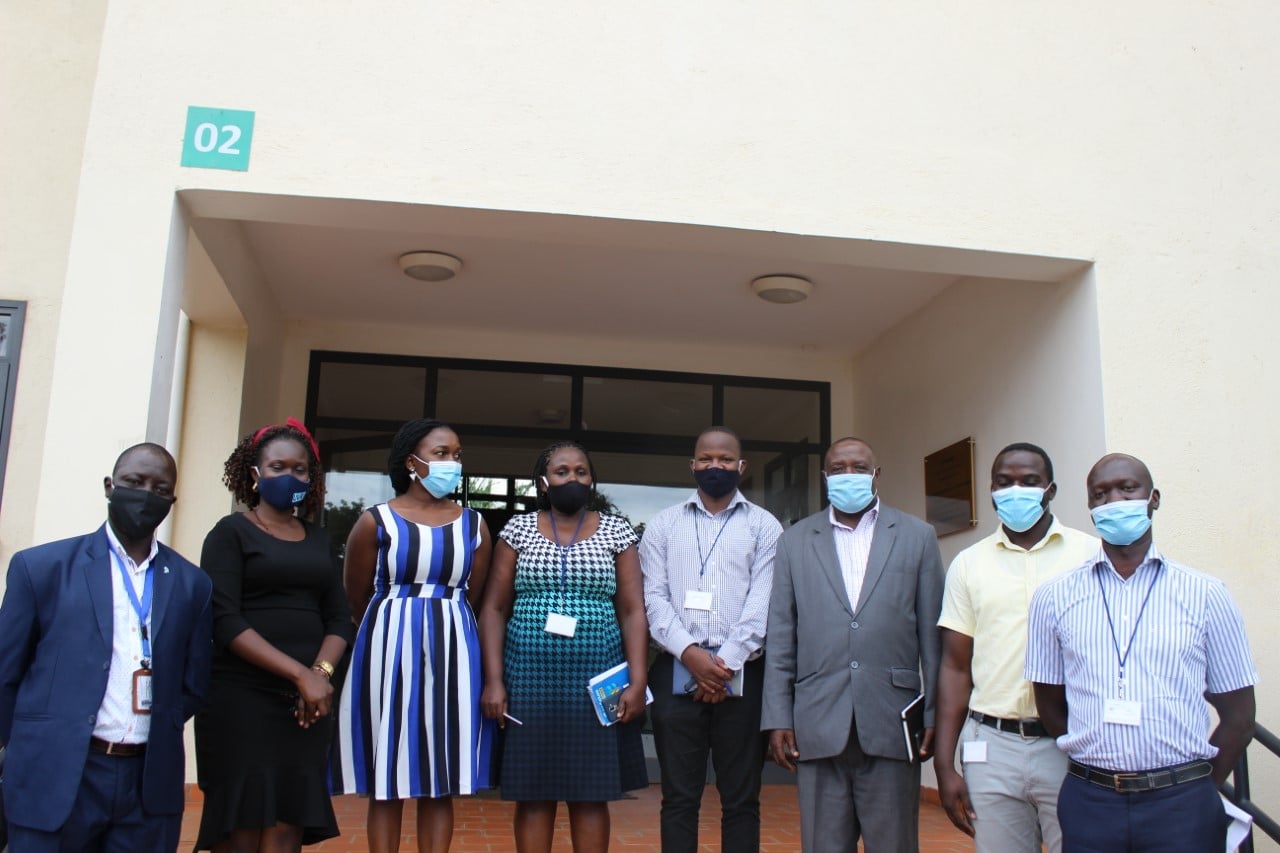
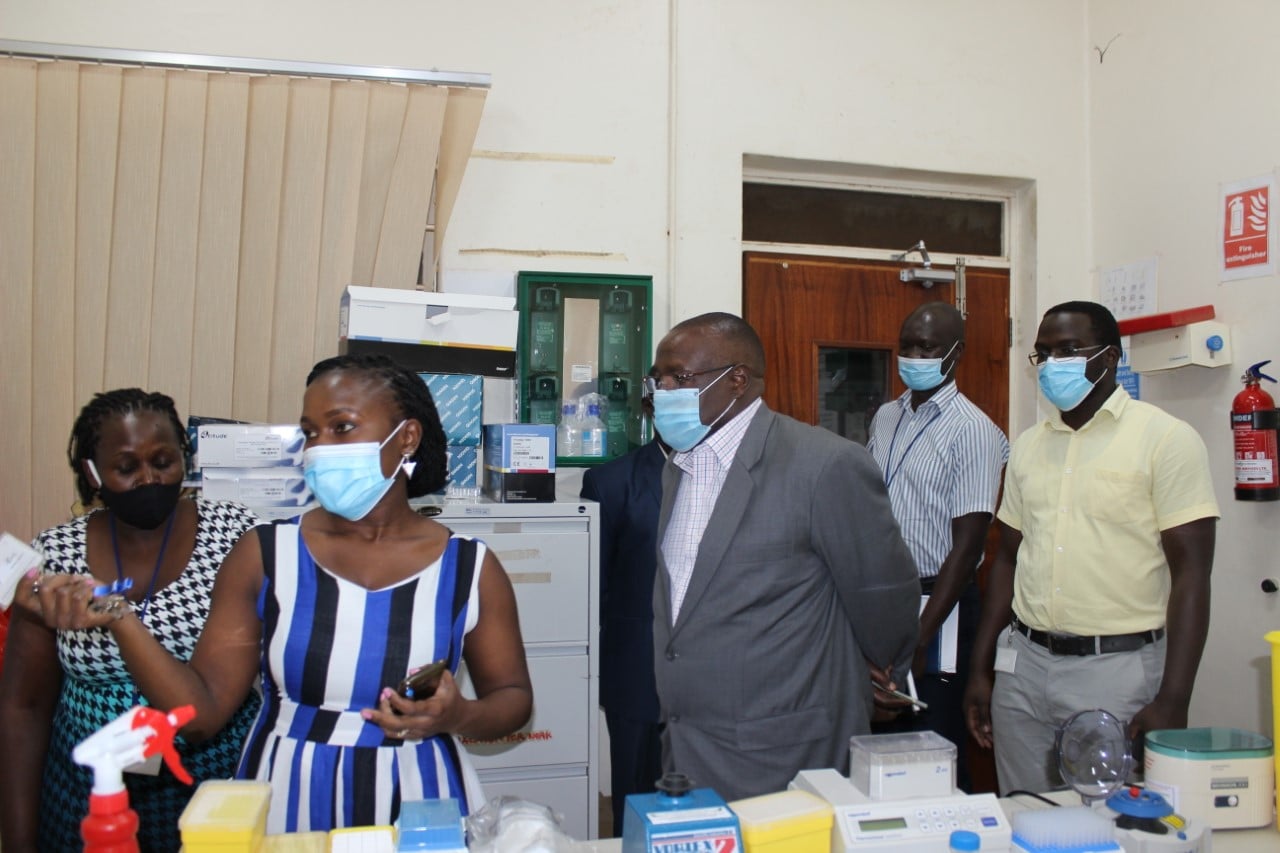
Following the road-map drawn from the stakeholders’ meeting, a protocol (including a product dossier and other relevant documents) for the CHI-S in Uganda were developed and jointly reviewed by the relevant ethical and regulatory committees in a “Joint review meeting” (JRM) held on 27th June 2019. Participants of this JRM included representatives of the Uganda National Council for Science and Technology (UNCST), National Drug Authority (NDA), Uganda National Health Research Organization (UNHRO), National Environmental Management Authority (NEMA) and the UVRI-Research Ethics Committee (UVRI-REC).
Among issues discussed in this meeting, appropriate volunteer renumeration; measures to ensure avoidance of contact with the schistosome-infested lake waters during the study period; and regulatory over-sight of the CHI-S were discussed. The JRM recommended exemption of the study from the NDA statute given that CHI-S does not employ use of an investigational drug and thus, beyond the mandate of the NDA. However, the National Biosafety Committee (NBC) was tasked to over-see the conduct of the study, mainly to inspect and approve the production facility (the CHI-S-Ug snail laboratory) and to review documents for the importation of starting-biological research materials from LUMC.
It was concluded that the establishment of CHI-S in Uganda is feasible and relevant and hence, a go-ahead was given for the submission of the study protocol to UVRI-REC, and subsequently UNCST, for ethical review and approval.
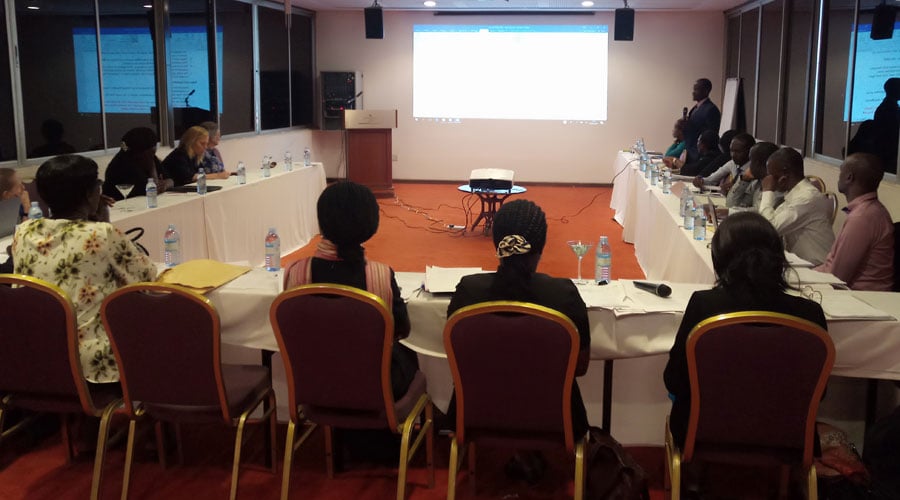
The LUMC Biosafety Officer and laboratory scientist paid a visit to the MRC/UVRI-LSHTM Uganda Research Unit from 20th - 23rd February 2020 to guide the Uganda CHI-S team on the refurbishment and set-up of the challenge agent production facility, the CHI-S-Ug snail laboratory. The two teams extensively discussed the lay-out, design, appropriate bio-safety containment level and equipping of the snail laboratory, and the planned CHI-S-Ug animal facility.
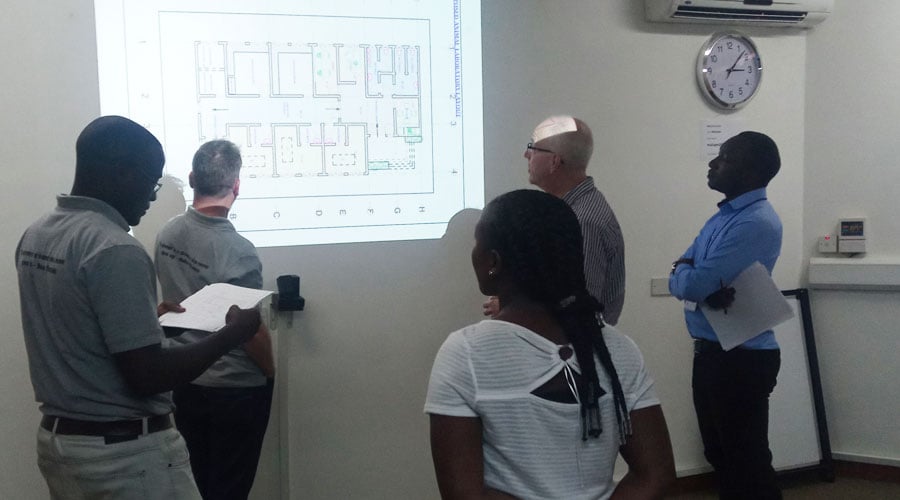
The first preparatory step taken was to organise a visit for representatives of Uganda’s regulators and ethicists to Leiden University Medical Centre (LUMC) in the Netherlands where the first “Schistosomiasis Controlled Human Infection studies” was being conducted. The purpose of this visit was to engage with the researchers at LUMC who pioneered the CHI-S, in order to further understand and appreciate the implementation and safe-conduct of CHI-S for vaccine development.
The Uganda CHI-S team shared their experience on the regulatory framework of Uganda and the preparatory work for establishing the first CHI-S in Uganda with researchers and regulators in Lambaréné, Gabon. This activity was to provide guidance for the establishment of a Hookworm CHI study in Gabon, and share knowledge and experiences on strengthening the regulatory and legislative capacity to over-see CHI studies in Africa.
A manuscript on the proceedings of this workshop has been jointly prepared by the Gabon, LUMC and Uganda CHI teams, and is soon to be published ("Establishing a Controlled Hookworm Human Infection (CHHI) model for Africa. A report from the stakeholders meeting held in Lambaréné, Gabon, November 10-11, 2019." (AOPH-D-21-00161R1).